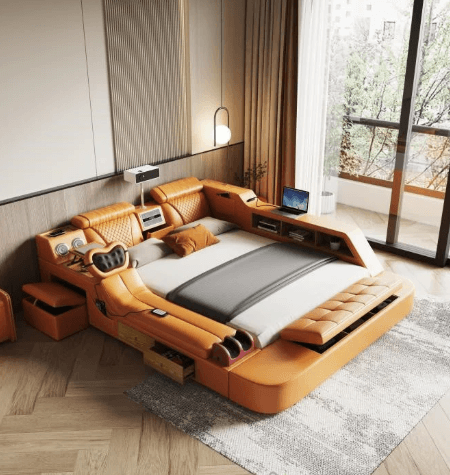
Quality sleep is essential for maintaining physical health, mental clarity, and overall well-being. As technology continues to influence every aspect of modern living, the sleep industry has introduced innovative solutions designed to improve comfort and relaxation. One of the most advanced developments in this space is the smart bed, which combines intelligent technology, adjustable comfort systems, and personalized sleep features to create a more advanced sleeping experience.
Unlike traditional beds, smart beds are designed to actively respond to individual sleep habits and comfort needs. As more consumers prioritize wellness and better sleep quality, smart sleep systems are becoming increasingly popular in modern homes.
What Is a Smart Bed?
A smart bed is an advanced sleep system that uses technology, sensors, and automated functions to improve sleep comfort and support. These beds can monitor sleep patterns, adjust support levels, and provide personalized sleeping environments based on user preferences.
Modern smart beds may include features such as:
- Adjustable firmness
- Sleep tracking
- Temperature regulation
- Smart posture support
- Remote control functionality
These advanced systems are designed to improve sleep quality while enhancing convenience and overall bedroom comfort.
Today, many homeowners are exploring smart bed solutions to create healthier and more personalized sleep environments.
How Smart Bed Technology Works
Smart beds use integrated sensors and intelligent systems to analyze sleep behavior and automatically adjust comfort settings.
Sleep Monitoring Systems
Built-in sensors can track movement, sleep duration, and sleeping positions throughout the night.
Adjustable Support
Some smart beds allow users to customize firmness and elevation settings for greater comfort and posture support.
Temperature Control Features
Advanced systems help regulate sleeping temperature for improved relaxation and uninterrupted sleep.
See also: Volumetric Chamber: Precision Fluid Measurement in IV Therapy
Mobile App Connectivity
Many smart beds connect to smartphone apps that provide sleep reports and remote control access.
Benefits of Using a Smart Bed
Smart sleep systems offer several advantages for modern consumers.
Improved Sleep Quality
Adaptive support systems may help users achieve deeper and more restful sleep.
Better Spinal Alignment
Adjustable support helps maintain proper posture and reduces strain on the back and joints.
Personalized Comfort
Users can customize sleeping positions and firmness settings according to individual preferences.
Enhanced Relaxation
Features such as massage functions and temperature control can improve relaxation and bedtime comfort.
Features Commonly Found in Smart Beds
Modern smart beds include a variety of advanced functions designed to improve the overall sleep experience.
Adjustable Positions
Users can elevate the head or legs to improve comfort and relaxation.
Smart Sensors
Integrated sensors continuously monitor movement and sleeping behavior.
Motion Isolation
Smart support systems reduce movement transfer, making them ideal for couples.
Voice and App Controls
Some smart beds can integrate with smart home systems for hands-free control and automation.
Why Personalized Sleep Is Important
Every person has different sleeping habits and comfort requirements. Personalized sleep systems help address these needs more effectively than traditional beds.
Different Sleeping Positions
Side sleepers, back sleepers, and stomach sleepers often require different support levels.
Health and Wellness Needs
People experiencing posture issues or physical discomfort may benefit from adjustable support systems.
Recovery and Rest
Quality sleep supports physical recovery, energy levels, and emotional well-being.
The Role of Smart Beds in Modern Lifestyles
Busy schedules and increasing stress levels have made sleep quality more important than ever.
Wellness-Focused Living
Consumers are investing more in products that support better health and relaxation.
Smart Home Integration
Smart beds can integrate with broader smart home systems for automated lighting, temperature, and sleep settings.
Long-Term Sleep Monitoring
Continuous sleep tracking helps users better understand sleep patterns and make healthier lifestyle choices.
How Smart Sleep Technology Supports Health
The connection between sleep and overall wellness continues to gain attention.
Reduced Sleep Disturbances
Adaptive systems may help minimize movement disruptions and improve nighttime comfort.
Better Physical Recovery
Proper support and quality sleep contribute to muscle recovery and reduced body strain.
Improved Mental Performance
Restful sleep supports concentration, productivity, and mood balance.
Future Trends in Smart Bed Technology
The future of smart sleep systems is expected to include even more advanced innovations.
AI-Powered Comfort Optimization
Future smart beds may continuously adapt based on user sleep behavior and body movement.
Advanced Health Monitoring
Upcoming technologies may include heart rate monitoring, breathing analysis, and wellness tracking features.
Sustainable Smart Materials
Manufacturers are increasingly focusing on eco-friendly materials and sustainable production methods.
Why Smart Beds Are Becoming More Popular
Consumers today are looking for products that combine technology, comfort, and wellness benefits. Smart beds provide a highly personalized sleep experience that aligns with modern lifestyle expectations.
As awareness about sleep health continues to grow, smart beds are becoming an increasingly valuable part of modern bedroom design.
FAQs
What is a smart bed?
A smart bed is an advanced sleep system that uses intelligent technology and adjustable features to improve sleep comfort and monitor sleep patterns.
Can smart beds improve sleep quality?
Yes, smart beds are designed to provide personalized support, adjustable comfort, and temperature regulation that may improve sleep quality.
Are smart beds suitable for couples?
Many smart beds include motion isolation and customizable support settings, making them suitable for couples with different comfort preferences.
Conclusion
Modern sleep technology is transforming how people approach comfort, relaxation, and wellness. Smart beds combine intelligent systems, personalized support, and advanced comfort features to create more responsive and adaptive sleep environments. From adjustable sleeping positions to sleep monitoring and temperature control, these innovative systems are helping users improve both sleep quality and overall well-being.
As smart home technology and wellness-focused lifestyles continue to evolve, smart beds are becoming an important investment for individuals seeking better rest, modern comfort, and advanced sleep solutions.