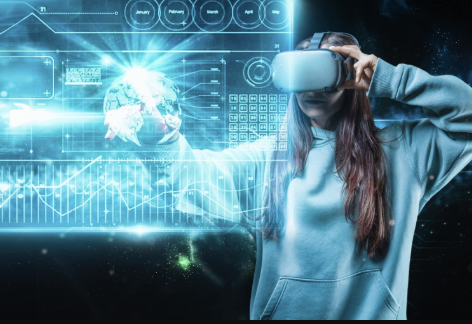
The growth of immersive technologies has been marked by significant advancements that are reshaping various industries. Virtual and augmented reality applications are enhancing user engagement and interaction in sectors such as healthcare, education, and entertainment. This evolution not only transforms user experiences but also raises questions about future applications and the implications of blending digital and physical realms. What remains to be explored are the emerging trends and opportunities that lie ahead in this dynamic landscape.
The Evolution of Immersive Technologies
The evolution of immersive technologies has been marked by significant milestones that reflect both advancements in hardware and shifts in user experience.
Virtual reality has transformed entertainment and training, while augmented reality enhances real-world interactions with digital overlays.
Together, these technologies foster a sense of freedom, allowing users to explore diverse environments and engage with information in innovative ways, reshaping perceptions of reality itself.
Key Applications in Different Industries
As immersive technologies continue to evolve, their applications across various industries demonstrate remarkable versatility and impact.
In healthcare training, simulations enhance procedural learning, while virtual tourism offers users an escape into breathtaking destinations.
Retail experiences are transformed through interactive environments, allowing customers to engage with products like never before.
Additionally, educational tools leverage immersive elements to foster deeper understanding and retention among learners.
The Impact on User Experience and Engagement
While immersive technologies revolutionize user interactions, their profound impact on user experience and engagement cannot be overstated.
Virtual reality and augmented reality enhance sensory engagement, creating dynamic environments that captivate users. This transformation fosters deeper connections, as individuals actively participate in experiences rather than passively observing.
Ultimately, these advancements redefine user interaction, driving greater engagement and satisfaction across various platforms and applications.
See also: intensitymagazine
Future Trends and Opportunities in Immersive Technologies
What new dimensions could immersive technologies unlock in the coming years?
The integration of virtual reality and augmented reality is poised to revolutionize industries such as education, healthcare, and entertainment.
As these technologies advance, opportunities for personalized experiences will expand, fostering creativity and collaboration.
The convergence of digital and physical realms will empower individuals to explore, learn, and connect in unprecedented ways.
Conclusion
In conclusion, the rise of immersive technologies marks a pivotal shift across various sectors, with a projected market value of $300 billion by 2024 highlighting their significance. This growth not only enhances user experiences but also fosters greater engagement through innovative applications in healthcare, education, and entertainment. As these technologies continue to evolve, they promise to redefine interactions and create unprecedented opportunities for personalized experiences, ultimately bridging the gap between the digital and physical worlds.