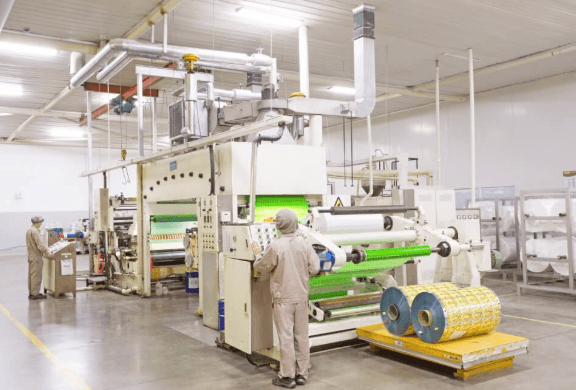
In modern industrial manufacturing, speed, consistency, and scalability are the backbone of success. Companies dealing with large-scale output need equipment that can handle continuous workloads without compromising quality. One of the most essential technologies supporting this demand is the laminating system for bulk production.
This system is designed to process massive quantities of materials in a streamlined workflow, making it a crucial part of packaging, printing, construction, and various industrial supply chains. As global markets expand and consumer demand increases, bulk production lamination systems have become a key investment for manufacturers aiming to stay competitive.
Understanding Laminating System for Bulk Production
A laminating system for bulk production is a heavy-duty industrial setup that bonds multiple layers of materials into a single, durable sheet or roll. These materials may include plastic films, paper, aluminum foils, woven fabrics, or synthetic composites.
Unlike small-scale laminators, bulk production systems are engineered for nonstop operation, high throughput, and consistent output quality. They are commonly installed in factories where thousands of meters of material are processed daily.
The main objective of this system is to enhance material performance while maintaining production efficiency.
Why Bulk Production Lamination is Essential
In industries where time and volume matter, traditional lamination methods are no longer sufficient. Bulk production laminating systems solve this challenge by offering automation and high-speed processing.
Key reasons for their importance include:
- Ability to handle continuous production cycles
- Improved uniformity across large batches
- Faster manufacturing turnaround time
- Reduced dependency on manual labor
- Better resource utilization
- Stable product quality at scale
These benefits make them indispensable in modern manufacturing environments.
Working Process of Laminating System for Bulk Production
The operation of a laminating system for bulk production is fully integrated and designed for seamless workflow.
Material Unwinding
Large rolls of base materials are loaded into the system and fed continuously into the production line.
Surface Treatment
Depending on the application, materials may undergo coating, heating, or adhesive application to prepare for bonding.
Layer Bonding
Multiple layers are combined using precision rollers that apply controlled pressure and temperature.
Alignment Control
Advanced sensors ensure that all layers remain perfectly aligned throughout the process.
Stabilization and Cooling
The bonded material is stabilized to strengthen adhesion and maintain structural integrity.
Rewinding or Cutting
The finished laminated output is either rolled into jumbo reels or cut into sheets for further use.
This continuous cycle ensures maximum efficiency for bulk manufacturing.
Types of Laminating Systems for Bulk Production
Different industries require different lamination technologies depending on material type and production goals.
Heat-Based Laminating Systems
These systems use controlled heat and pressure to bond thermoplastic materials effectively.
Adhesive Lamination Systems
Special adhesives are applied between layers before mechanical pressing for strong bonding.
Extrusion Lamination Systems
Molten polymer is used as a bonding agent, ideal for heavy-duty packaging materials.
Solvent-Free Laminating Systems
Eco-friendly systems that eliminate harmful solvents and improve workplace safety.
High-Capacity Continuous Laminators
Designed specifically for nonstop industrial-scale production with minimal downtime.
Each system is tailored for specific industrial requirements and output goals.
Key Features of Modern Bulk Production Laminating Systems
Advanced laminating systems are equipped with intelligent features to improve productivity and precision.
See also: Managing Anxiety and Mood Swings in Premenstrual Mental Health Phases
Continuous High-Speed Operation
Designed to run 24/7 in industrial environments without interruptions.
Automated Control Panels
Operators can easily adjust settings such as speed, pressure, and temperature through digital interfaces.
Precision Engineering
Ensures accurate material alignment and uniform lamination quality.
Energy Optimization
Modern systems are designed to minimize energy usage while maximizing output.
Smart Monitoring Systems
Real-time tracking allows operators to detect issues and optimize performance.
Material Flexibility
Compatible with a wide range of industrial materials and thickness levels.
Applications in Industrial Sectors
The laminating system for bulk production is widely used across various industries due to its flexibility and efficiency.
Packaging Industry
Used for producing food packaging, beverage wraps, and industrial packaging materials.
Printing and Publishing
Supports large-scale production of magazines, books, labels, and promotional materials.
Furniture Manufacturing
Used to create laminated surfaces for wooden boards and decorative panels.
Textile Industry
Produces laminated fabrics used in protective clothing and industrial applications.
Construction Sector
Used in insulation materials, waterproof sheets, and composite panels.
This wide range of applications highlights its industrial significance.
Advantages of Laminating System for Bulk Production
Companies using these systems experience multiple operational benefits.
High Output Efficiency
Supports large-scale production with minimal delays.
Consistent Product Quality
Ensures uniform lamination across all production batches.
Reduced Production Cost
Automation reduces labor and operational expenses.
Strong Material Performance
Improves durability, resistance, and overall product strength.
Scalability
Suitable for expanding production demands without major system changes.
Waste Reduction
Precision systems minimize material loss during production.
Technological Innovations in Lamination Systems
Modern industrial lamination technology has evolved significantly due to automation and digital transformation.
Key innovations include:
- Servo-controlled drive systems
- AI-assisted production optimization
- IoT-based machine connectivity
- Automatic defect detection systems
- Digital touchscreen operation panels
- Real-time data analytics
These advancements improve efficiency and reduce human intervention.
Role in Modern Manufacturing Industry
The laminating system for bulk production plays a crucial role in supporting global industrial growth. As demand for packaged goods and advanced materials increases, manufacturers rely on these systems to maintain production standards.
It helps industries achieve:
- Faster production cycles
- Better product consistency
- Increased manufacturing capacity
- Improved operational reliability
This makes it a core component of modern industrial infrastructure.
Sustainability and Eco-Friendly Manufacturing
Sustainability is now a major focus in industrial production. Modern laminating systems are designed to support environmentally friendly practices.
Eco-friendly features include:
- Reduced energy consumption
- Low-waste production processes
- Compatibility with recyclable materials
- Solvent-free bonding options
- Cleaner manufacturing operations
These features help industries meet environmental regulations and sustainability goals.
Challenges in Bulk Lamination Systems
Despite their benefits, these systems come with certain challenges:
- High initial investment cost
- Requirement for trained operators
- Regular maintenance needs
- Complex system calibration
However, long-term productivity and efficiency gains outweigh these limitations.
Future of Laminating System for Bulk Production
The future of bulk production lamination technology is moving toward smarter, faster, and more automated systems.
Expected developments include:
- Fully automated production lines
- AI-based quality control systems
- Predictive maintenance technology
- Ultra-high-speed processing units
- Advanced eco-friendly materials
These innovations will further improve industrial productivity and reduce operational costs.
Conclusion
The laminating system for bulk production is a vital industrial solution that enables large-scale manufacturers to achieve high efficiency, consistent quality, and cost-effective operations. It plays a significant role in packaging, printing, textiles, furniture, and construction industries.
With continuous technological advancements and increasing global demand, this system will remain an essential part of modern manufacturing. Businesses that adopt advanced lamination systems will gain stronger competitiveness, improved productivity, and long-term industrial success.