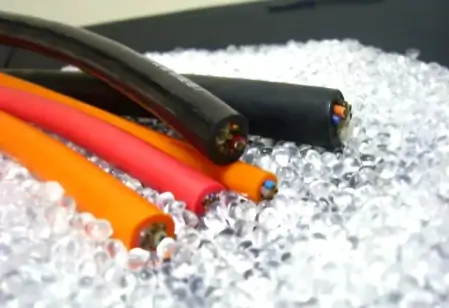
Modern industries rely heavily on advanced electrical and communication systems to support automation, manufacturing, robotics, and high-performance equipment. As industrial environments become more demanding, businesses require cable solutions that provide durability, flexibility, and long-term reliability under challenging conditions. This increasing demand has made ul tpu cable products highly important across industrial, commercial, and technology-driven sectors.
TPU cables are known for their strong resistance to abrasion, chemicals, moisture, and mechanical stress, making them suitable for complex industrial applications. When combined with UL certification standards, these cables provide enhanced safety, performance reliability, and international compliance for modern electrical systems.
Many manufacturers and industrial operators now choose ul tpu cable solutions to improve operational safety, support equipment performance, and maintain long-term system durability.
What Is a UL TPU Cable?
UL TPU cables are electrical or communication cables made with thermoplastic polyurethane insulation and designed to meet recognized safety and quality standards.
Key Features of TPU Cable Materials
TPU materials are commonly valued for:
- High flexibility
- Abrasion resistance
- Chemical resistance
- Durability
- Environmental protection
These properties make TPU cables suitable for demanding industrial environments.
Why Industrial Cable Quality Matters
Cables play a critical role in powering machinery, transmitting data, and supporting automated systems.
Importance of Reliable Cable Systems
High-quality cables help support:
- Equipment performance
- Workplace safety
- Stable connectivity
- Reduced maintenance
- Long-term operational reliability
Poor cable performance can result in equipment failure, downtime, and safety risks.
Common Applications of UL TPU Cables
TPU cable solutions are used across many industries because of their flexibility and durability.
Industrial Automation Systems
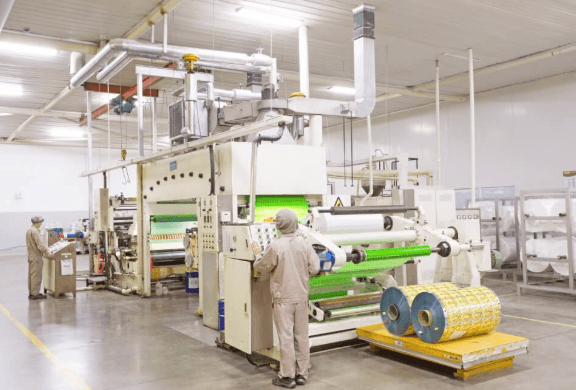
Factories and automated production lines often use TPU cables for machinery and robotic systems.
Robotics and Motion Equipment
Flexible cables are essential for robotic movement and repetitive mechanical operations.
Transportation and Automotive Industries
TPU cables are commonly used in vehicles and transportation systems where durability and flexibility are important.
Outdoor and Harsh Environments
The strong environmental resistance of TPU materials makes these cables suitable for outdoor and industrial applications.
Benefits of TPU Cable Technology
TPU cables offer several important advantages for modern electrical systems.
Excellent Flexibility
TPU cables can bend repeatedly without losing performance, making them suitable for moving equipment.
Strong Abrasion Resistance
Industrial environments often expose cables to friction and physical wear, making abrasion resistance highly valuable.
Chemical and Moisture Protection
TPU materials help protect cables from oils, chemicals, and environmental exposure.
Long-Term Durability
Durable cable materials reduce maintenance requirements and improve system lifespan.
Why UL Certification Is Important
UL certification helps verify that products meet recognized safety and performance standards.
Enhanced Safety Standards
Certified cables are tested for electrical safety, material performance, and operational reliability.
Regulatory Compliance
Many industries require certified products to meet operational and safety regulations.
International Market Acceptance
UL-certified products are widely recognized across global industrial and commercial markets.
Technology and Modern Cable Innovation
Cable technology continues evolving to support advanced industrial systems and automation.
High-Speed Data Transmission
Modern industrial systems require cables capable of supporting reliable communication and data transfer.
Smart Manufacturing Integration
TPU cable solutions increasingly support smart factories and automated production environments.
Lightweight and Flexible Designs
Advanced materials help improve cable flexibility while reducing overall system weight.
Why Industrial Automation Increases Demand for TPU Cables
Automation systems require durable and reliable electrical infrastructure to support continuous operations.
Robotic Movement Requirements
Robotic systems often involve repetitive movement that requires highly flexible cable solutions.
Continuous Production Operations
Industrial facilities need cable systems capable of handling demanding operational environments.
Reduced Maintenance Needs
Durable cables help minimize downtime and improve operational efficiency.
Important Factors to Consider When Choosing Industrial Cables
Businesses should evaluate several important factors before selecting cable solutions.
Environmental Conditions
Cables should match the temperature, moisture, and chemical exposure conditions of the operating environment.
Flexibility Requirements
Applications involving movement or robotics require highly flexible cable materials.
Safety and Certification Standards
Certified products help improve reliability and regulatory compliance.
Long-Term Performance
Durable materials contribute to lower maintenance costs and longer system lifespan.
The Future of Industrial Cable Technology
Industrial infrastructure continues evolving alongside automation and digital transformation.
Smart Industry Applications
Advanced cable systems will continue supporting AI-driven automation and industrial connectivity.
Sustainable Manufacturing Trends
Manufacturers increasingly focus on environmentally responsible materials and production methods.
Enhanced Performance Materials
Future cable technology may provide even greater flexibility, durability, and energy efficiency.
Why Businesses Invest in High-Quality Cable Solutions
Reliable cable infrastructure is essential for maintaining operational efficiency and workplace safety.
Businesses invest in quality cable systems to:
- Improve equipment reliability
- Reduce operational downtime
- Support automation systems
- Enhance safety standards
- Improve long-term cost efficiency
As industrial operations become more advanced, durable cable technology remains a critical component of modern infrastructure.
FAQs
What makes TPU cables suitable for industrial environments?
TPU cables offer flexibility, abrasion resistance, chemical protection, and long-term durability for demanding applications.
See also: Cryptocurrency Market Innovation and Technology
Why is UL certification important for cables?
UL certification helps ensure safety, performance reliability, and compliance with recognized industry standards.
Where are TPU cables commonly used?
TPU cables are widely used in automation systems, robotics, transportation, manufacturing, and outdoor industrial environments.
Conclusion
UL TPU cable solutions play an essential role in supporting modern industrial systems, automation technologies, and high-performance electrical infrastructure. Their flexibility, durability, and resistance to harsh environmental conditions make them highly valuable for demanding industrial applications. Combined with recognized safety certifications, TPU cables help businesses improve operational reliability, workplace safety, and long-term system performance.
As industrial automation and smart manufacturing continue expanding, demand for advanced cable technology will continue to grow. Investing in high-quality TPU cable solutions helps organizations support efficient operations, reduce maintenance challenges, and maintain reliable performance within increasingly complex industrial environments.