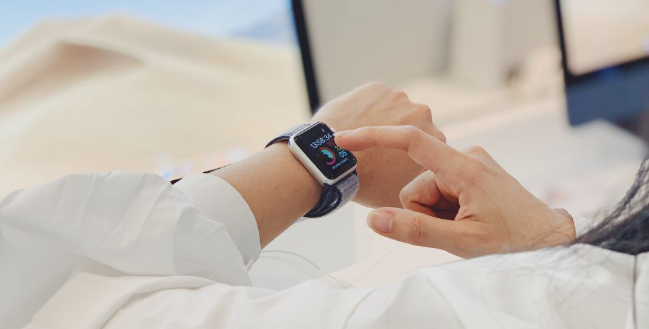
The expansion of wearable IoT devices reflects a significant shift towards personal health management. These technologies offer real-time monitoring of vital signs, fostering user autonomy in health decisions. However, as adoption increases, so do concerns regarding data privacy and security. Manufacturers are responding with innovative solutions to address these issues. This interplay between user trust and technological advancement raises questions about the future landscape of wearable devices and their implications across various sectors.
The Rise of Wearable IoT Technology in Health Monitoring
As the global population increasingly prioritizes health and wellness, the adoption of wearable IoT devices for health monitoring has surged significantly.
These devices offer real-time tracking of vital signs, empowering individuals to take charge of their health.
However, concerns surrounding user privacy persist, prompting manufacturers to innovate secure data management solutions that respect personal boundaries while enhancing the user experience in this burgeoning field.
Key Features That Drive Wearable Device Adoption
A growing number of consumers are drawn to wearable IoT devices due to their array of compelling features that enhance both functionality and user experience.
Key aspects such as intuitive interfaces, seamless connectivity, and advanced sensors significantly contribute to their appeal.
Additionally, robust data security measures instill trust, ensuring users feel safe while leveraging these innovative technologies, ultimately driving widespread adoption.
Diverse Applications of Wearable IoT Across Industries
Wearable IoT devices are not limited to enhancing personal health and fitness; their applications span various industries, showcasing their versatility and potential to revolutionize operational efficiency.
In sports tracking, athletes utilize these devices for performance analysis and injury prevention.
Simultaneously, industries prioritize workplace safety, utilizing wearables to monitor conditions, ensure compliance, and promptly alert workers to hazards, thereby enhancing overall safety protocols.
See also: The Growth of Immersive Technologies
Future Trends Shaping the Wearable IoT Market
While the current landscape of wearable IoT devices is already expansive, emerging trends are poised to further transform the market.
Heightened consumer awareness regarding data privacy will drive manufacturers to prioritize secure solutions.
Additionally, intensified market competition will foster innovation, leading to more versatile and user-friendly devices.
These factors will ultimately shape a future where wearable IoT seamlessly integrates into daily life while ensuring individual freedom.
Conclusion
In a world where individuals can monitor their every heartbeat and step, one might expect a newfound sense of control over health. Ironically, as users embrace these wearable IoT devices, their reliance on technology grows, sometimes at the expense of genuine self-awareness. While the promise of innovation and data security beckons, the very tools designed to empower users may inadvertently tether them closer to a digital existence, highlighting the paradox of freedom amidst the proliferation of connectivity.